
Anthropocene: Control,Cull, Curate, Contain & Conserve
What began as doodles slowly became an obsession, and eventually a pet project. These drawings explore the many ways we curate, cull, contain, conserve, and control nature. They circle a question I can't seem to let go of: why are so many of our answers grounded in management rather than belonging? We act upon the living world as though it exists apart from us, forgetting that we have never stood outside it.
These images I created explore humanity's most ignorant impulses: to place the living world within the boundaries of our own myopic understanding and limited desires. Through the recurring presence of human hands, each image reveals a different expression of power, capturing wildlife behind glass, framing it through a lens, preserving it as a trophy, or confining it within a cage. What we lack is the humility and presence to simply be with them, to share space and breath in their company, and to exist in true coexistence. Whether motivated by wonder, conquest, science, story, possession, or protection, these gestures are united by the assumption that nature exists to be managed, collected, or redefined according to human will. The hand becomes both creator and captor, symbolizing our capacity to admire life while simultaneously diminishing its autonomy.
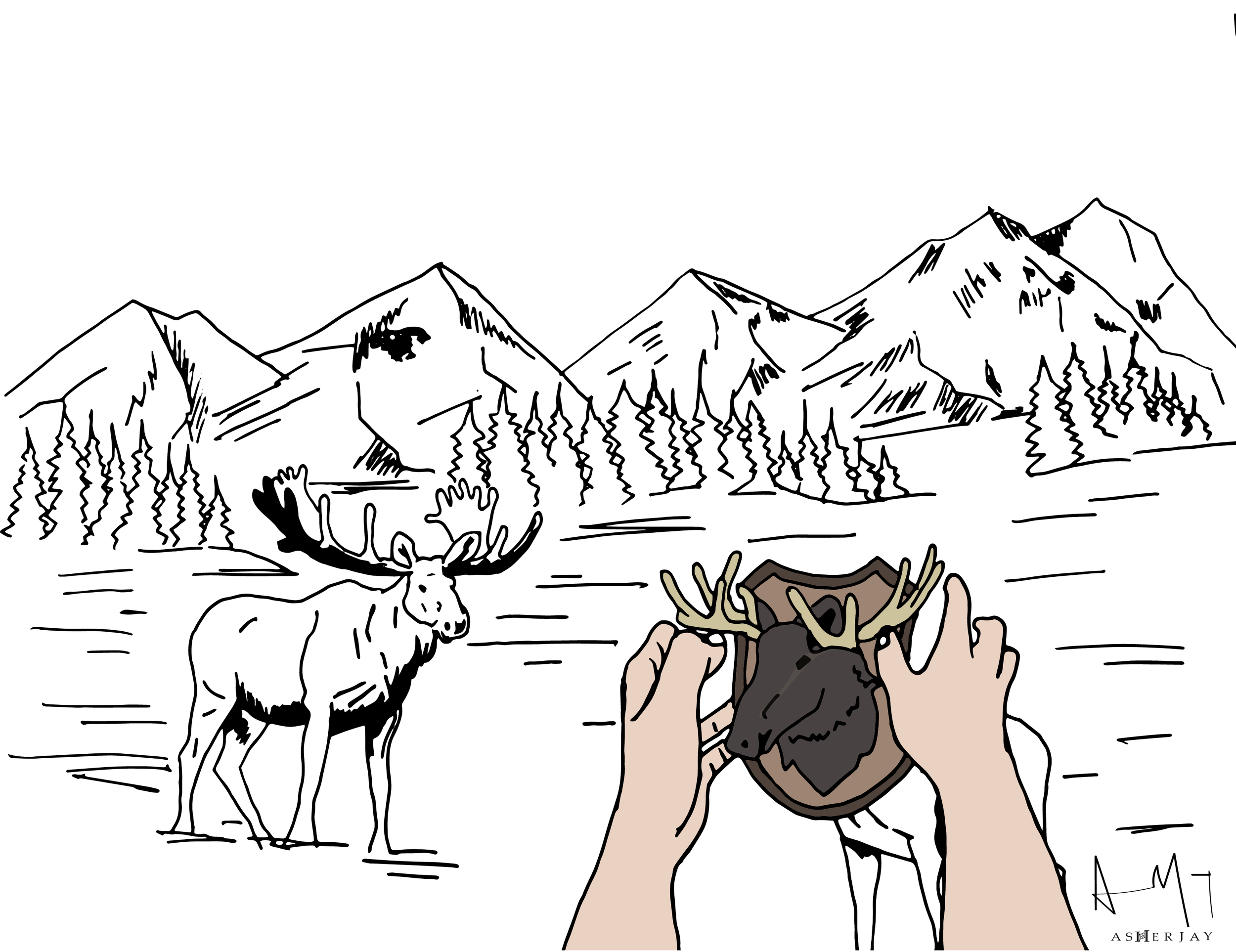
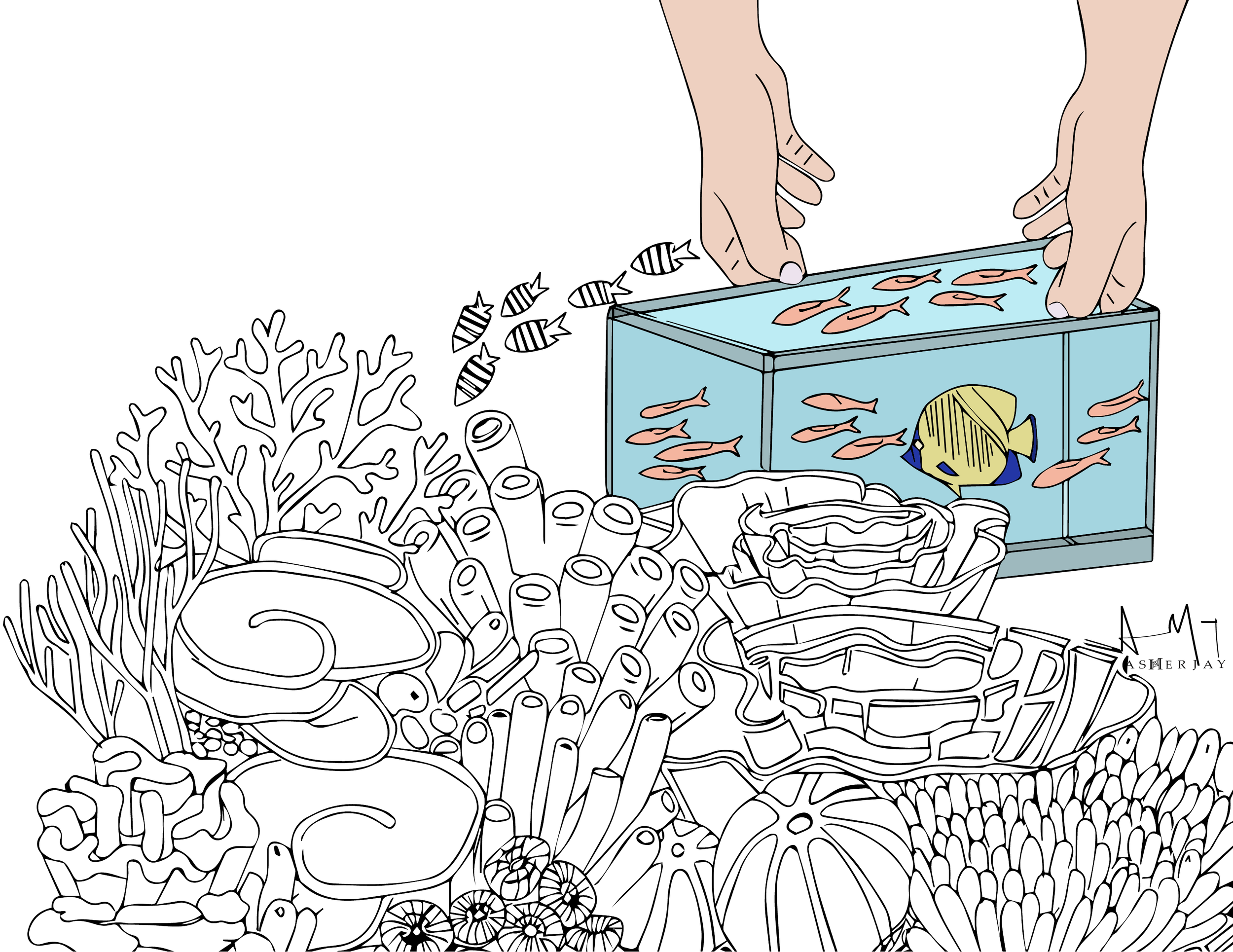
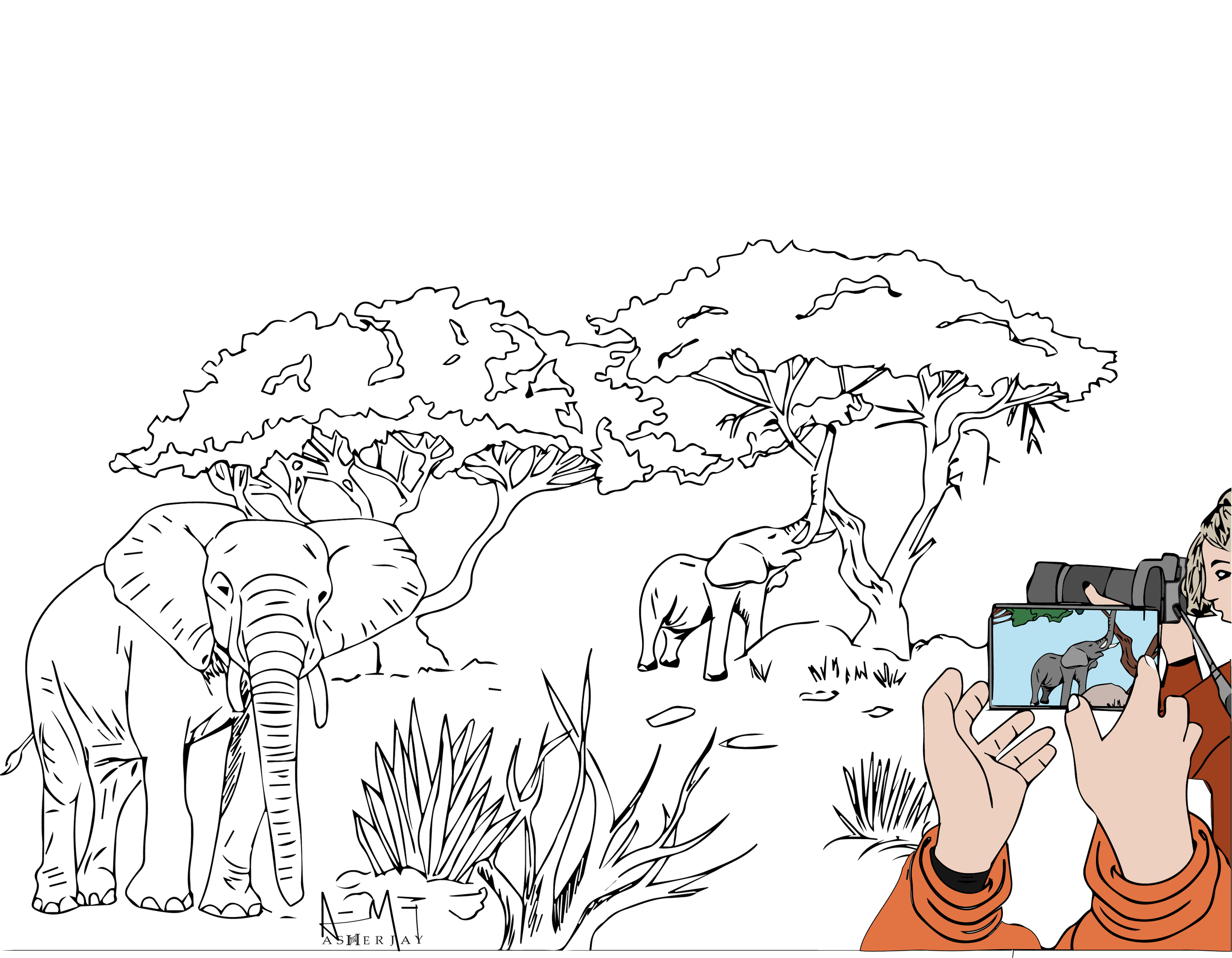
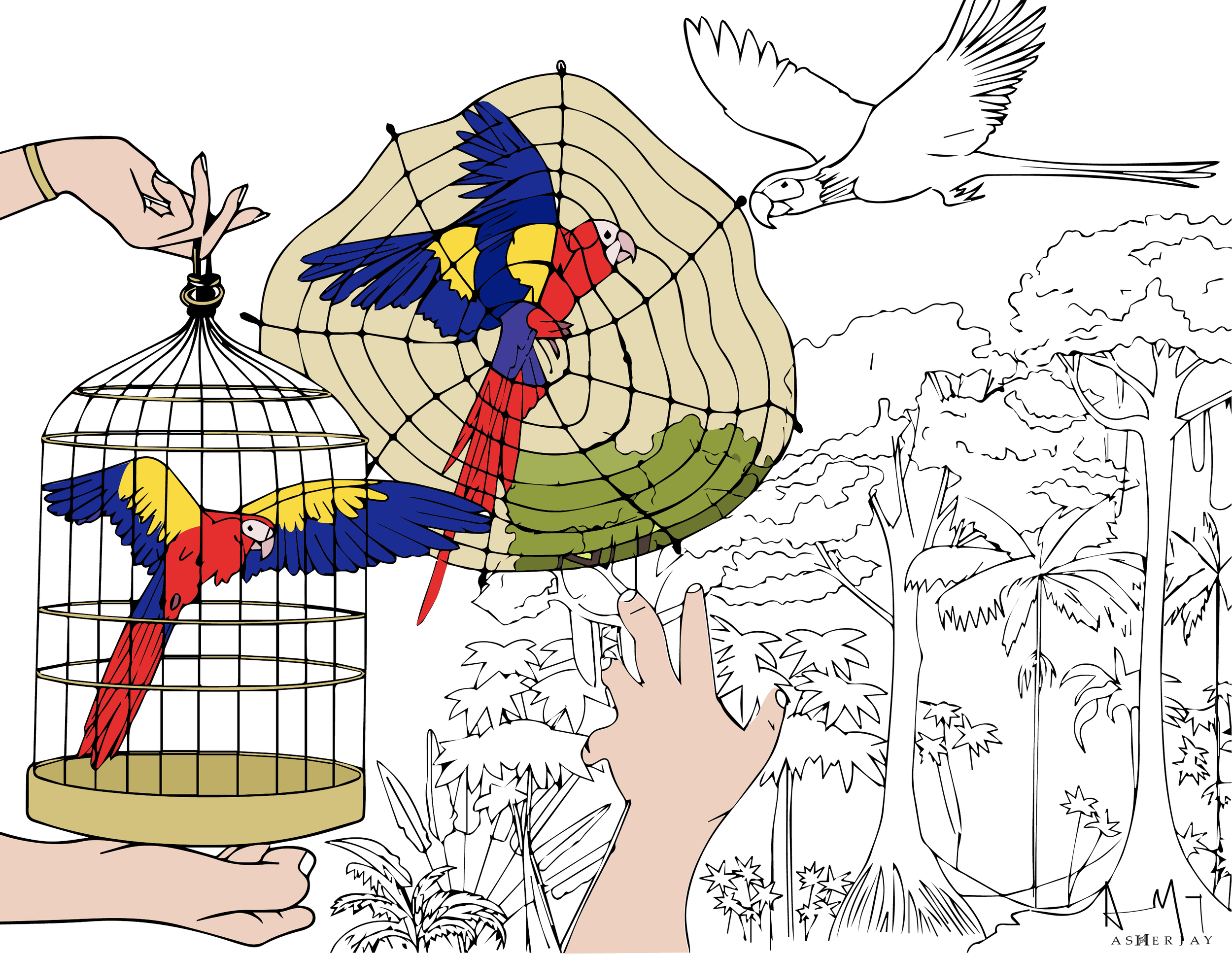
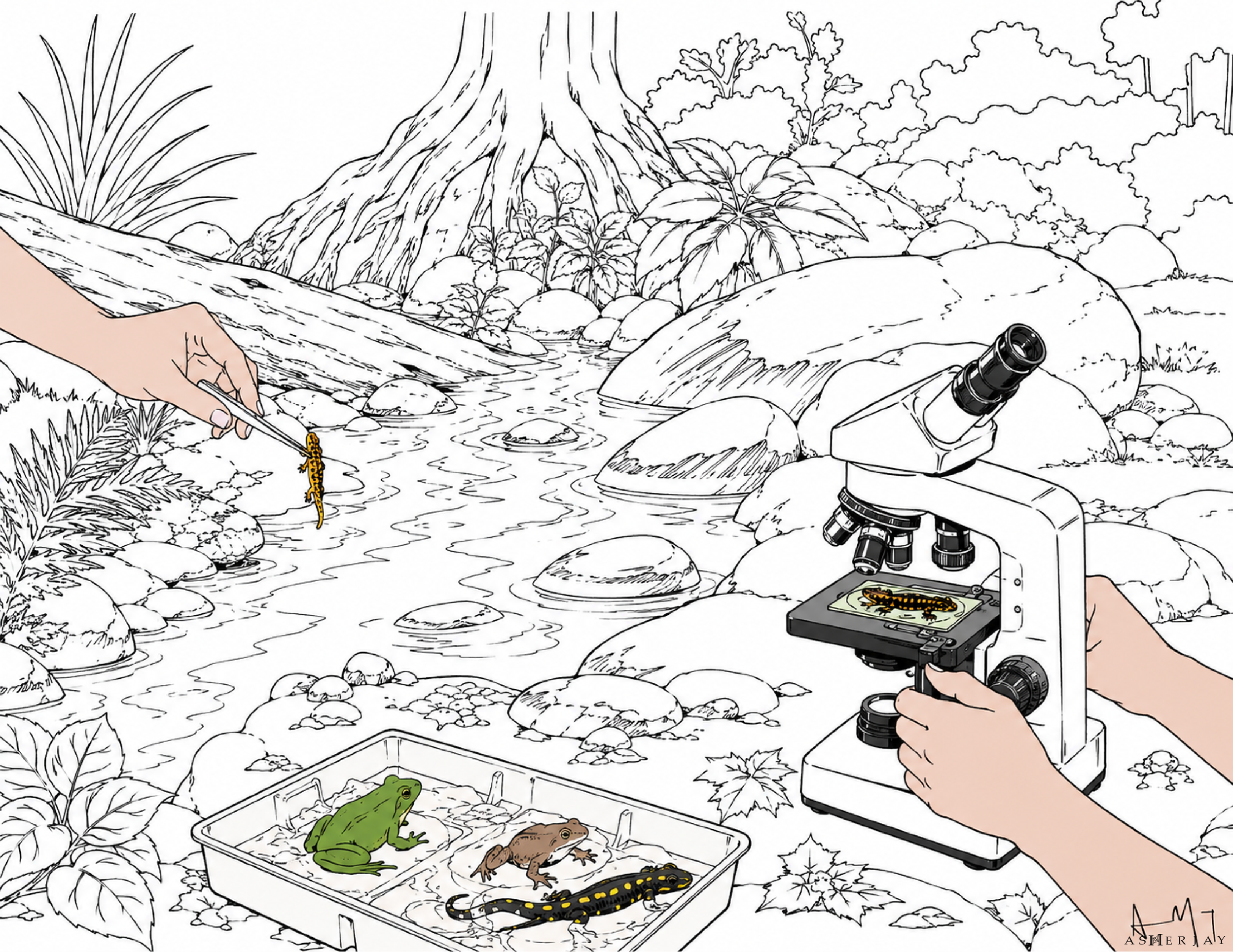
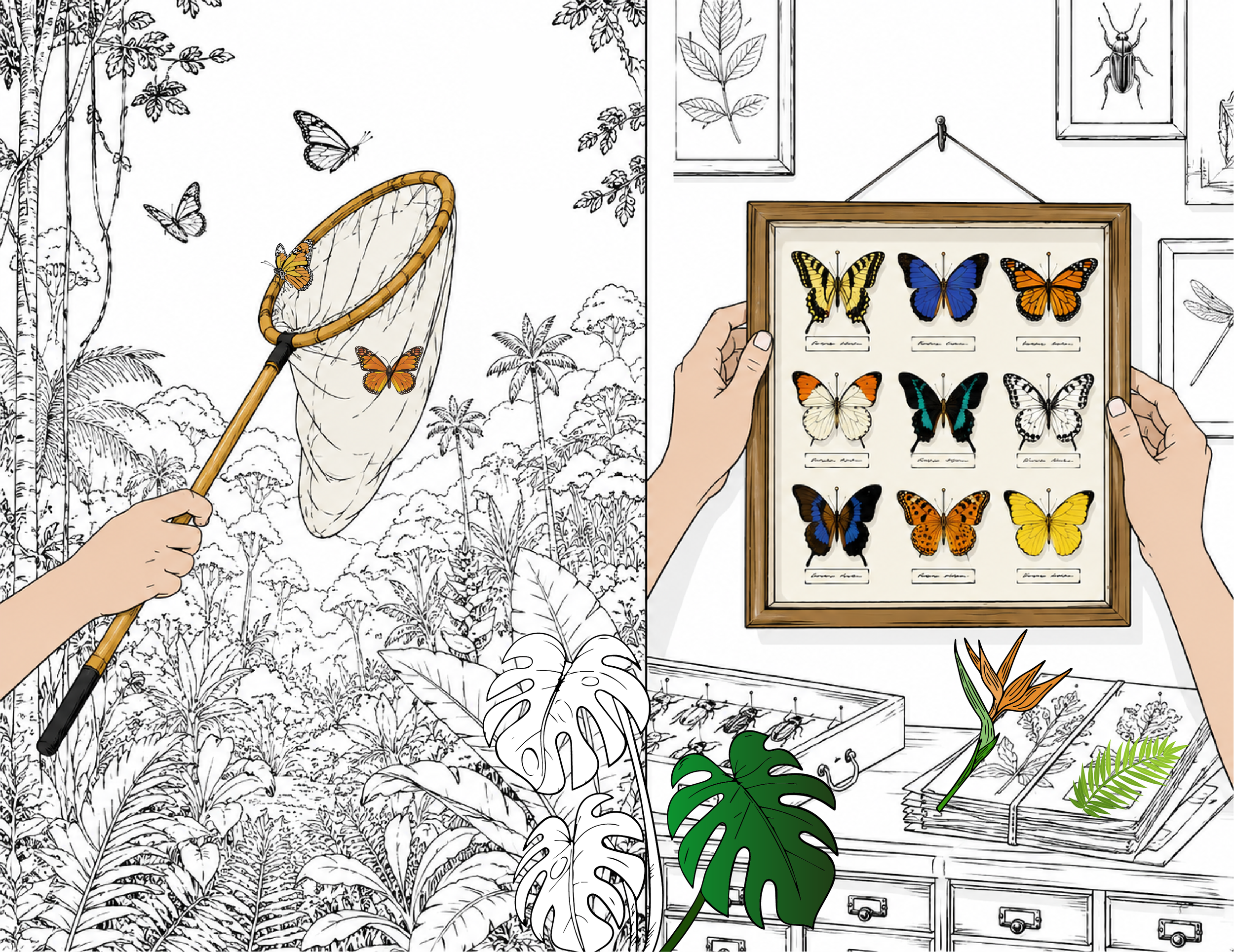
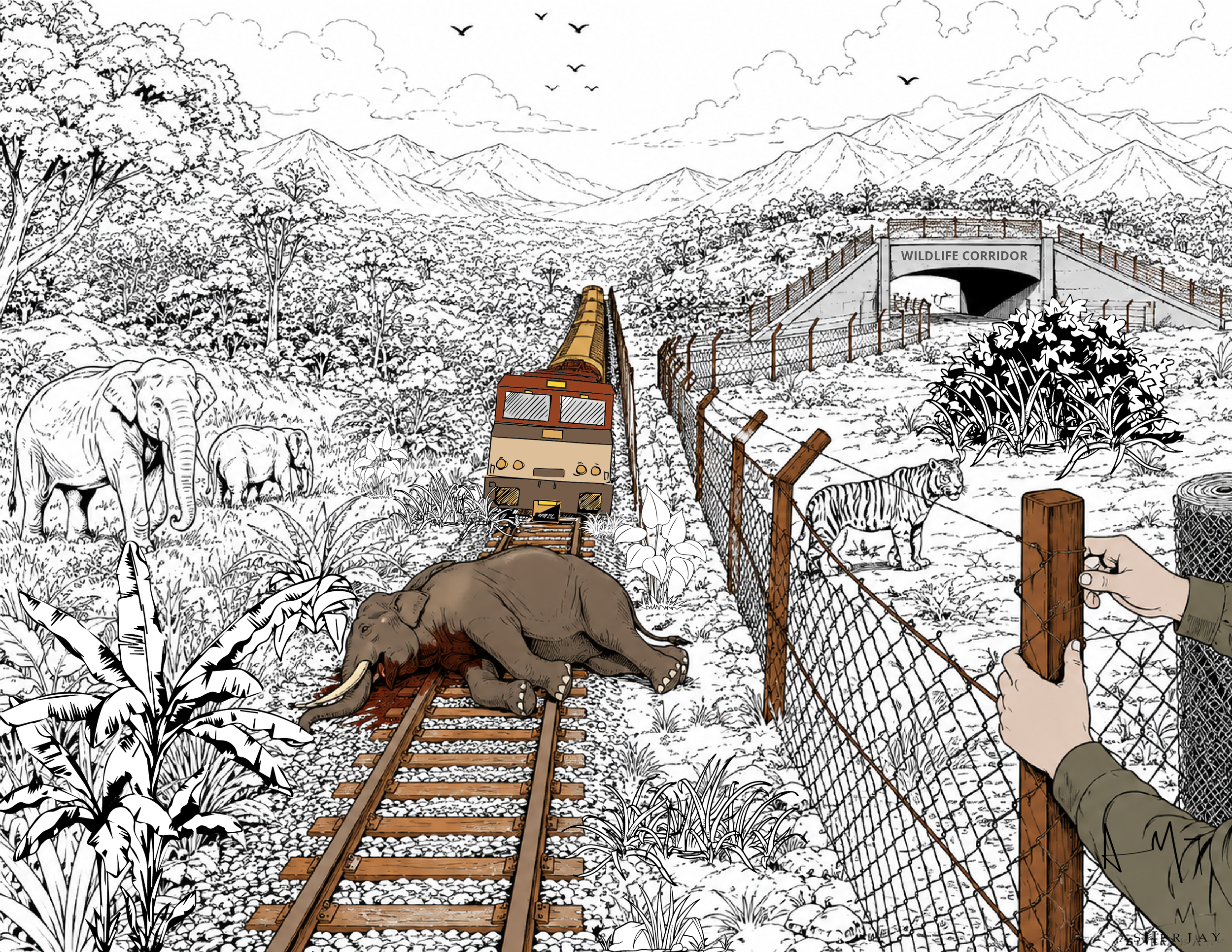
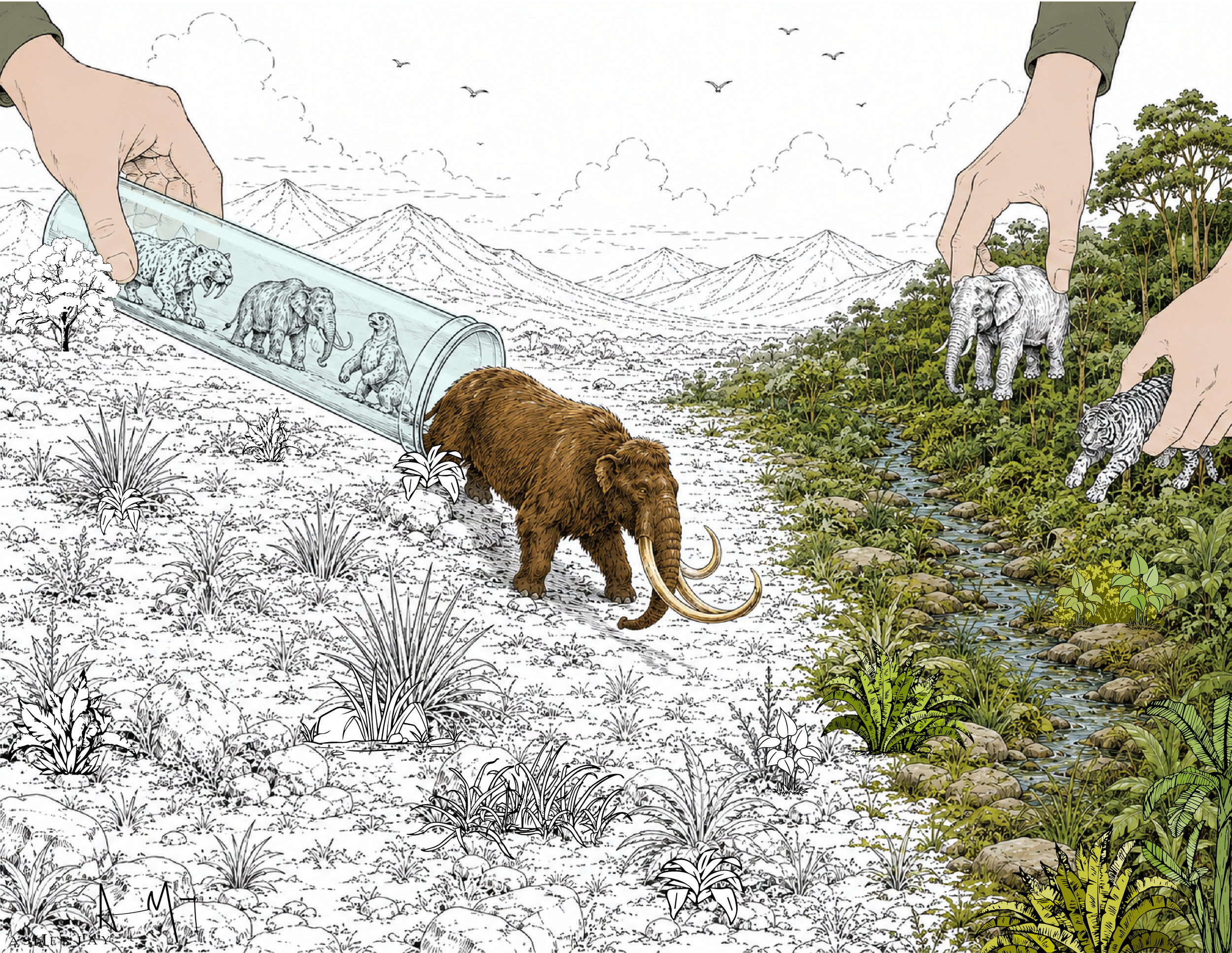
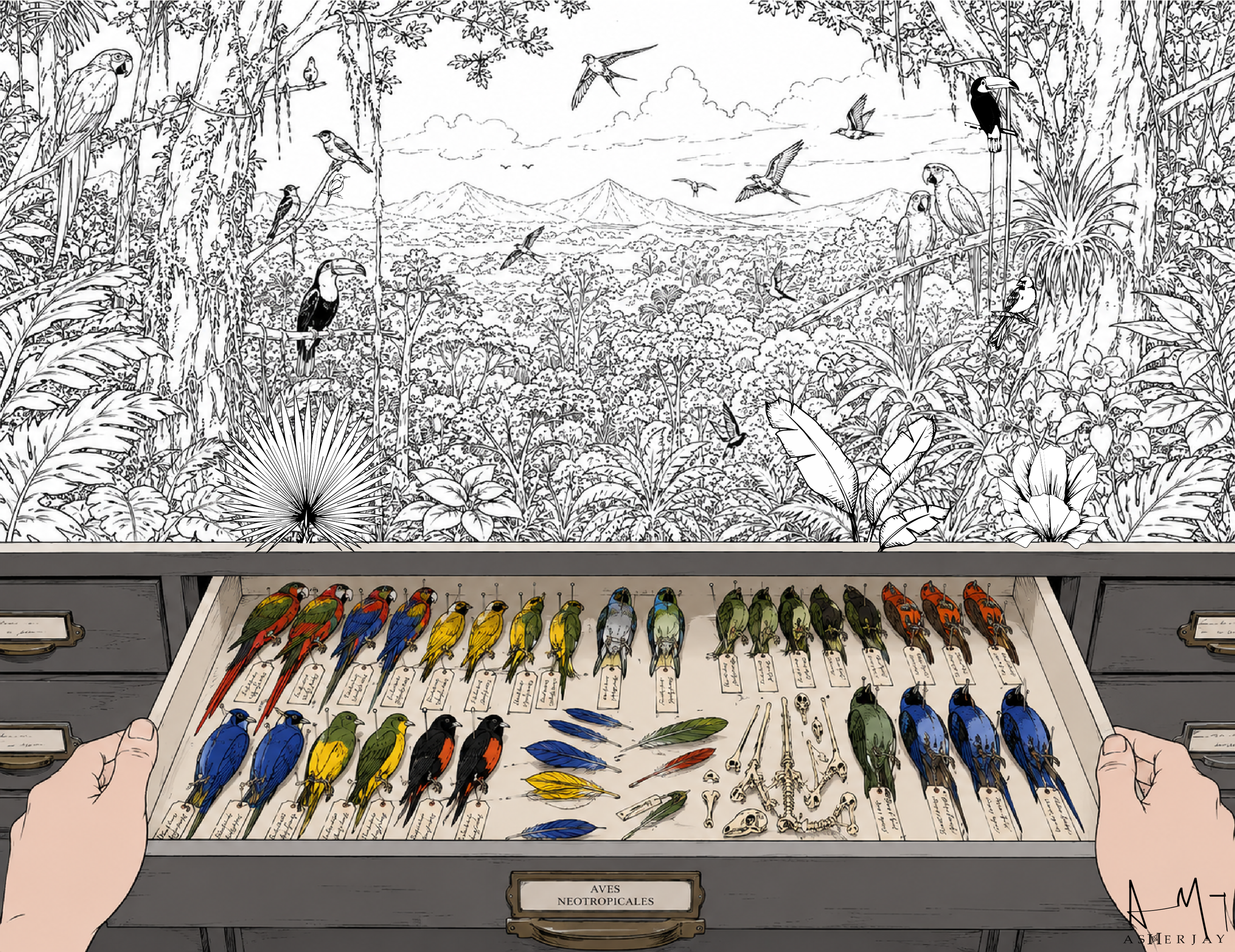
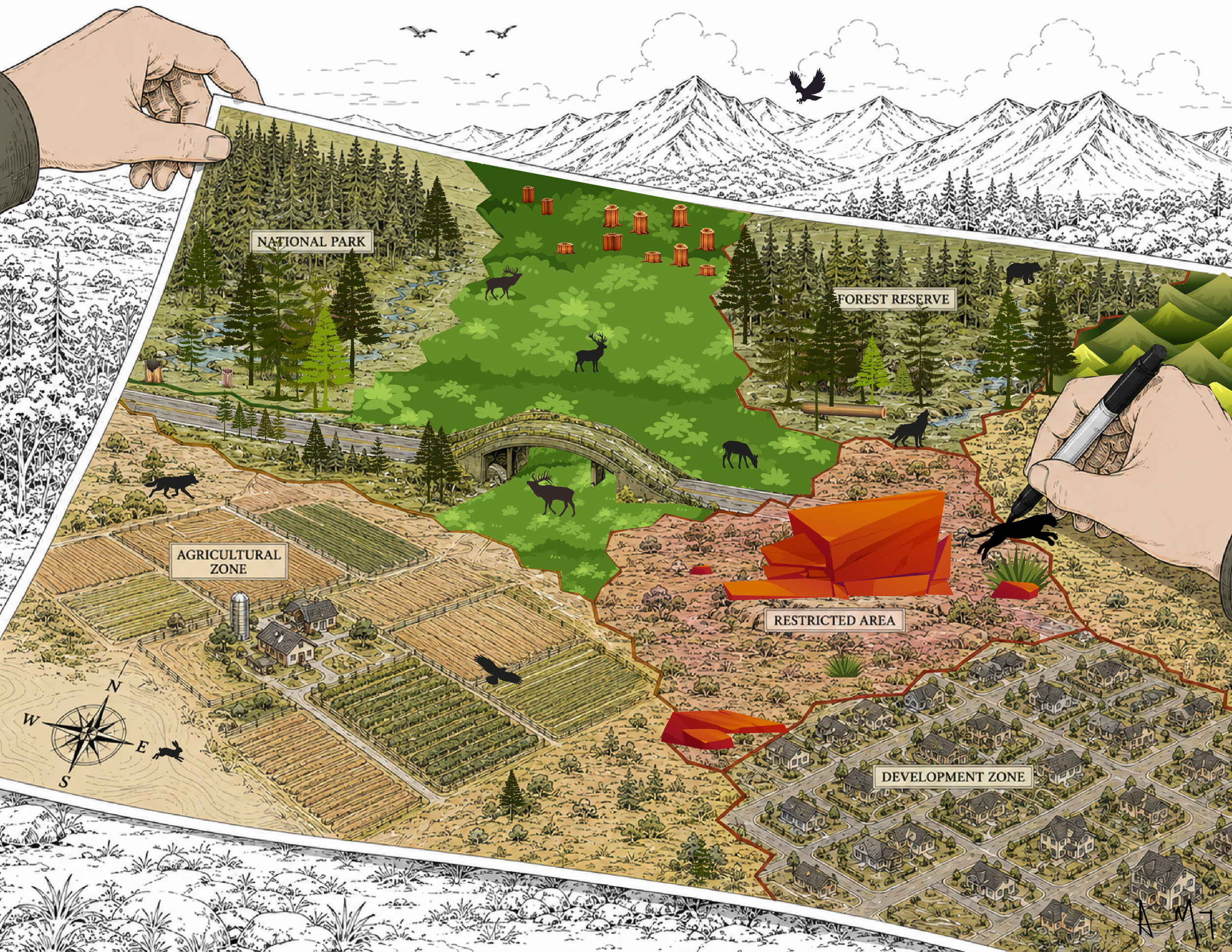
The natural world remains almost entirely black and white throughout this series, not because life lacks color, but because our perception of it does. We have reduced living ecosystems into resources, commodities, attractions, and trophies, stripping away their complexity, vibrancy, and interconnected pulse. We have forgotten that every forest, reef, bird, and elephant exists within relationships far older and more intricate than our own. We extract, possess, consume, and control, rarely asking what it means to give back, even though our own existence depends entirely upon theirs. The only color belongs to the act of taking performed by human hands, because it is our ego that redraws the world in its own image. We mistake ourselves for something separate from nature, believing we can manipulate its truths without consequence. Yet our greatest blindness is not an inability to see color, but an inability to perceive connection. We live in a state of hyper myopic focus, seeing isolated objects where there are only living relationships, and in failing to recognize the whole within ourselves, we lose sight of the whole that surrounds us.
Together, these images ask where appreciation ends and ownership begins. Every act of containment, curation, control, or culling reshapes not only the lives of other species, but also our relationship with the natural world itself. They invite viewers to consider the paradox of human stewardship. Our greatest strength lies in our ability to alter ecosystems, yet our greatest responsibility may be knowing how not to. In confronting the quiet violence hidden within familiar acts of observation, collection, and preservation, the series challenges us to reconsider whether our legacy will be measured by what we claimed from nature, or by what we chose to leave wild.
We reached for the wild with nets, notebooks, maps, and machines. We named it, framed it, fenced it, and crossed it with the straight lines of certainty. Piece by piece, the living world became a collection: of specimens, territories, and resources, until we found ourselves surrounded not by wilderness, but by the evidence of our own ambition.
Now we search for a way back. We imagine bringing extinct giants to life while struggling to protect those still beside us. We build passages around the wounds we've carved into the land and mistake repair for restoration. These images ask whether conservation begins not with another invention, but with a different relationship: one that values the wild not because we can possess it, but because we never truly could.